Jaw pain rarely arrives with a label. It may be an ache just in front of the ear, soreness that builds as you chew or talk, or a face that feels tight the moment you wake up. It may come and go, or build through the day. Because so many things can sit behind it, the most useful first step is a careful look at the whole picture.
Where jaw pain often comes from
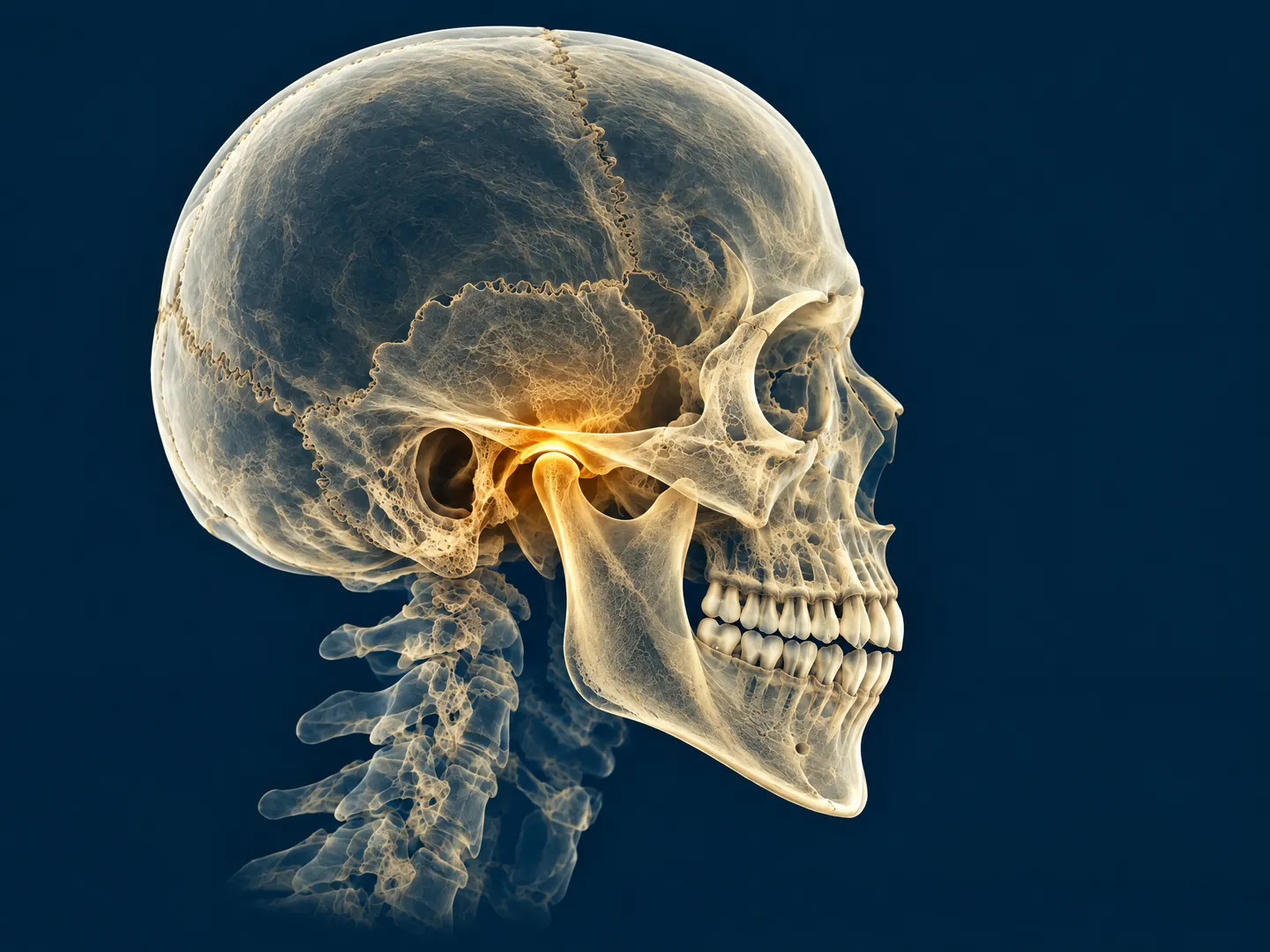
The jaw joint, its disc and the muscles that move it work together with your teeth, your bite, your head and neck, and your posture. Trouble in any of them may show up as jaw pain. Some common sources:
- Tired or tight chewing muscles. Soreness that builds as you use your jaw may come from overworked muscles.
- Clenching or grinding. Many people clench during the day or grind at night without knowing. Over time it may load the joint and muscles, and waking with a stiff jaw or tired face can be a sign of it.
- The joint itself. Clicking or popping can come from how the joint's disc moves. It is common and not always a problem, but it is worth checking if it is new or painful.
- An accident or injury. A blow to the face or a whiplash injury may affect the jaw, sometimes days or weeks later.
- Pain from another area. Some pain felt in the jaw starts somewhere else, which is one more reason to look at the whole picture.
Signs it is time to have your jaw checked
- Jaw pain that keeps coming back, or that is getting worse
- A jaw that catches or locks, even for a moment
- Trouble opening your mouth fully, yawning or biting into food
- Headaches, ear pain or ear fullness that come with jaw tightness
- New jaw symptoms after a car accident, a fall or a sports injury
Some symptoms need medical care first. Sudden jaw pain together with chest pain, shortness of breath or pain in the arm needs emergency care: call 911. Swelling with a fever needs urgent medical care, and so does any change in your vision.
How Dr. Leon evaluates jaw pain
In Dr. Leon's words: “We start by looking at the whole picture: your health history, symptoms, jaw joints and muscles, teeth and bite, jaw movement, and posture. We also consider whether surrounding tissues or pain coming from another area may be involved. Treatment recommendations are based on your individual findings.”
When your evaluation calls for it, in-office 3D imaging gives a closer look at the jaw joints and surrounding structures, right here. Read more about the comprehensive TMJ evaluation.
What care can look like
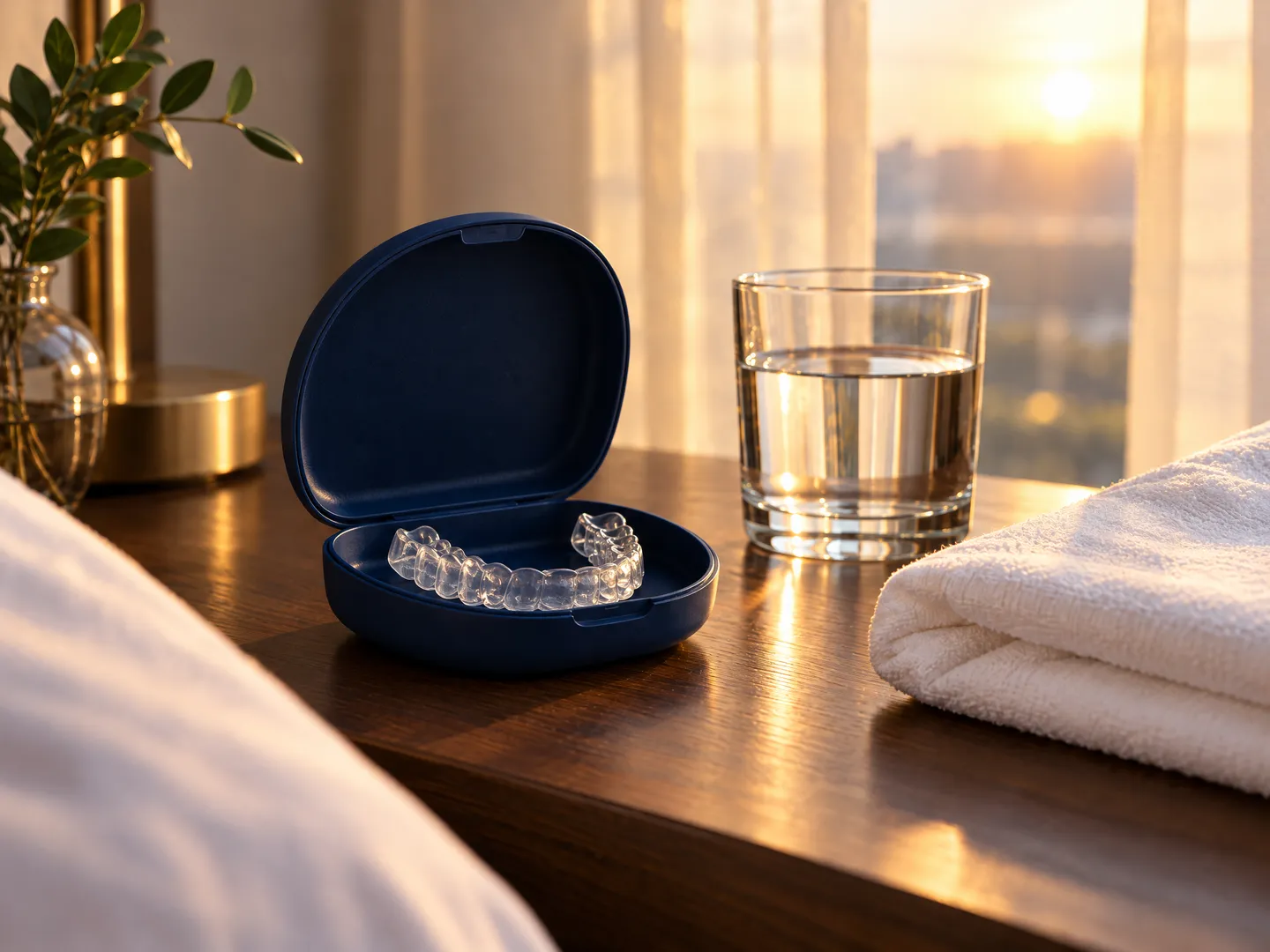
Every case is different, so the plan follows what the evaluation finds. Depending on your needs, it may draw on custom oral appliances, such as a TMJ night appliance made for you and adjusted as your needs change, along with in-office therapies such as laser therapy and manual therapy, injectable PRF, neuromodulators, and more. If your symptoms started after an injury, see TMJ care after an accident or injury. Dr. Leon explains every step in plain language, in English or Spanish.
Your first visit
Plan for about an hour. The office emails your new-patient paperwork when you book. Please bring a copy of your ID or driver's license. Schedule your evaluation, or phone the office at (813) 772-4563. Tampa TMJ is at 3911 West Waters Avenue, Suite 4, in Tampa, with parking steps from the front door.
Questions patients ask
Is clicking in my jaw a problem?
Not always. Clicking or popping can come from how the joint's disc moves, and it is common. It is worth having it checked if it is new, if it hurts, or if your jaw also catches or locks.
Can grinding my teeth at night cause jaw pain?
It may. Many people clench during the day or grind at night without knowing, and over time it may load the joint and muscles. Waking with a stiff jaw or a tired face can be a sign of it.
When is jaw pain an emergency?
Sudden jaw pain together with chest pain, shortness of breath or pain in the arm needs emergency care: call 911. Swelling with a fever, or any change in your vision, needs urgent medical care.
Can a jaw problem feel like a headache or ear pain?
It can. The jaw joint sits right in front of the ear, so jaw problems can feel like ear pain, pressure or a blocked ear, and tension in the jaw muscles near the temples can feel like a headache.